Introduction
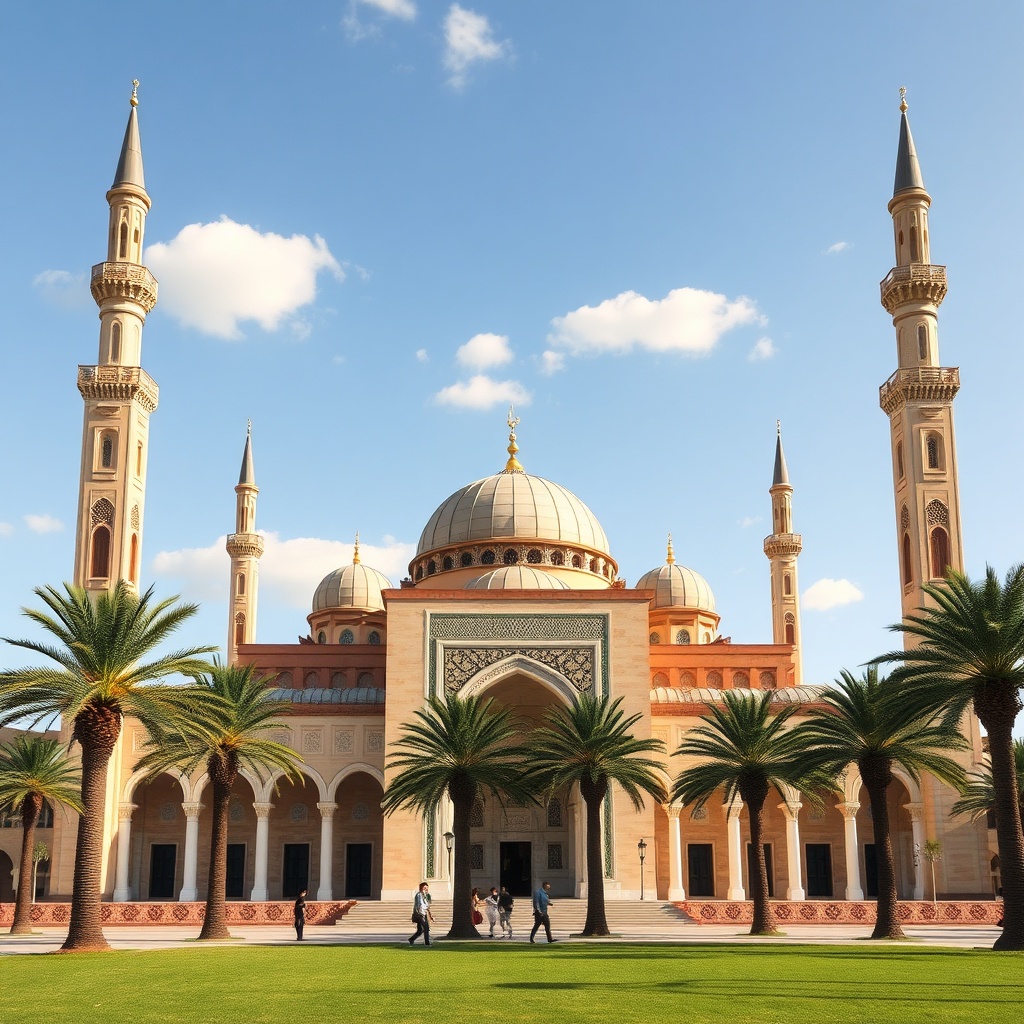
Choosing the right time to step into Casablanca is like solving a travel‑optimization puzzle. Compare the city’s mild Atlantic climate, its vibrant festival calendar, and fluctuating hotel rates to decide when your priorities align. A quick‑look snapshot of average temperature, rainfall, and price index for each season can instantly reveal the sweet spot for your itinerary. As Lonely Planet notes, “Timing your arrival around the shoulder months lets you experience Casablanca’s cultural pulse without the price surge of peak summer.”
Plotting climate data, cultural events, and cost patterns side by side helps you decide whether a breezy March sunrise or a low‑cost November night fits your plans. Check the 14‑Day Weather Forecast in French for Casablanca, Morocco to fine‑tune your schedule.
1. Climate Deep‑Dive: Best Time to Visit Casablanca Morocco
1.1 Winter (Dec‑Feb) – Mild temps, occasional rain
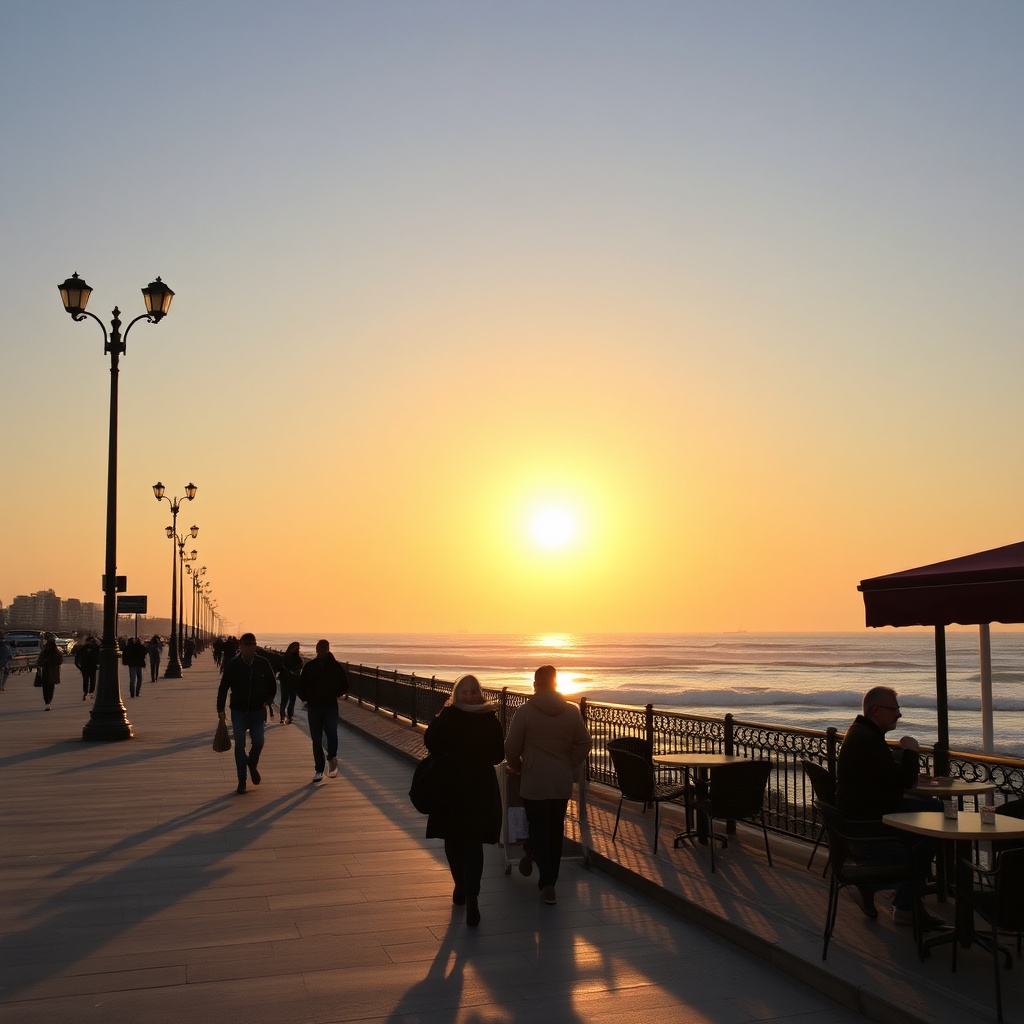
December through February bring daytime highs of 18‑20 °C and lows rarely below 10 °C. Humidity hovers around 70 %, and average rainfall is 45 mm per month, mostly short showers after sunset. Pack a light waterproof jacket and a scarf for cooler mornings; the sea stays too brisk for swimming but ideal for a brisk walk along the Corniche.
1.2 Spring (Mar‑May) – Warm‑up with low humidity
March starts a gentle climb to 22 °C, peaking at 24 °C in May. Relative humidity drops to 60 %, creating comfortable conditions for outdoor cafés and rooftop bars. Average rainfall falls to 30 mm, concentrated in early March, so a compact umbrella is advisable only for the first week.
1.3 Summer (Jun‑Aug) – Heat spikes & sea breezes
June to August see highs of 27‑30 °C, with occasional spikes above 32 °C during inland heatwaves. The Atlantic wind provides a cooling breeze that lowers the perceived temperature by about 4 °C along the waterfront. Nighttime humidity climbs to 80 %, making indoor dining with air‑conditioning a relief after sunset.
1.4 Autumn (Sep‑Nov) – Balanced climate, “golden” light
September still enjoys 26 °C daytime highs, but by November temperatures settle around 19 °C. Rainfall rises modestly to 40 mm in October before tapering off. The combination of mild light and reduced crowds makes photography of the Hassan II Mosque’s illuminated façade especially rewarding.
2. Cultural Calendar: Timing Your Visit Around Signature Events
2.1 Major Music & Arts Festivals
Mawazine, held each June, draws over 300,000 attendees and features stages ranging from electro‑pop to traditional Gnawa. To learn more about Mawazine, visit Tout savoir sur Mawazine for the latest information. Tickets start at 250 MAD for a single‑day pass, and early‑bird discounts appear two months before the lineup is announced. The Casablanca Jazz Festival, typically in October, offers intimate club settings with admission under 150 MAD.
2.2 Religious & Public Holidays
Ramadan shifts annually; in 2025 it begins in early March, prompting restaurants to open later and street food stalls to serve after sunset. Eid al‑Fitr follows a week later, with public squares hosting free concerts. Throne Day on July 30 features official ceremonies and fireworks, but expect heightened security and limited parking near major venues.
2.3 Seasonal Markets & Culinary Weeks
The Seafood Festival in April showcases fresh catches at the Port of Casablanca, with tasting menus priced between 120‑200 MAD. The Rose Festival, though centered in nearby El Kelaa M’Gouna, influences Casablanca’s boutique perfume shops in May, offering limited‑edition scents for collectors.
3. Budget Optimization: How Season Affects Costs
3.1 Off‑Peak Savings (Nov‑Feb)
Airlines such as Royal Air Maroc release round‑trip fares as low as 1,200 MAD from major European hubs in January. Boutique hotels in the Medina drop nightly rates by 35 % compared to summer, and you can often secure a complimentary breakfast by booking through the hotel’s direct website.
3.2 Shoulder‑Season Sweet Spot (Mar‑May & Sep‑Oct)
During March and September, average hotel rooms cost 420 MAD per night, while dining at mid‑range restaurants averages 80 MAD per main course. Combining a weekday flight with a weekend stay can shave up to 150 MAD off the total package. Consider Exploring Morocco with Casablanca tours for a hassle‑free experience.
3.3 Peak‑Season Premium (Jun‑Aug, major festivals)
July sees hotel prices surge to 650 MAD per night, and festival tickets can inflate to 500 MAD for VIP access. If you prioritize the concert atmosphere, allocate an extra 200 MAD daily for transportation, as shuttle services run at higher frequencies and command premium fares. For a seamless airport transfer, book Transferts Prives de l’Aéroport for a convenient and reliable service.
4. Outdoor & Day‑Trip Timing: When to Do What
4.1 Beach & Waterfront (Ain Diab, Corniche)
The optimal window for sunbathing stretches from late May to early September when UV index peaks at 8‑9. Surf schools report consistent swells of 1.2‑1.5 m in June, with water temperature around 18 °C—wetsuits are recommended. Early morning tides around 6 am produce smoother conditions for paddleboarding.
4.2 Hiking & Nature Excursions (Rif Mountains, Bouskoura Forest)
For the Rif trailheads, schedule hikes between March and May when trail mud levels drop below 15 % and daylight extends to 13 hours. Pack a sun‑hat, 2 L water reservoir, and a lightweight rain jacket; sudden thunderstorms can add up to 30 mm of rain in a single afternoon.
4.3 Day Trips to Nearby Gems (Rabat, El Jadida, Oualidia)
Depart Casablanca at 07:30 AM on a regional train to Rabat; the 1‑hour ride allows you to explore the Kasbah of the U
