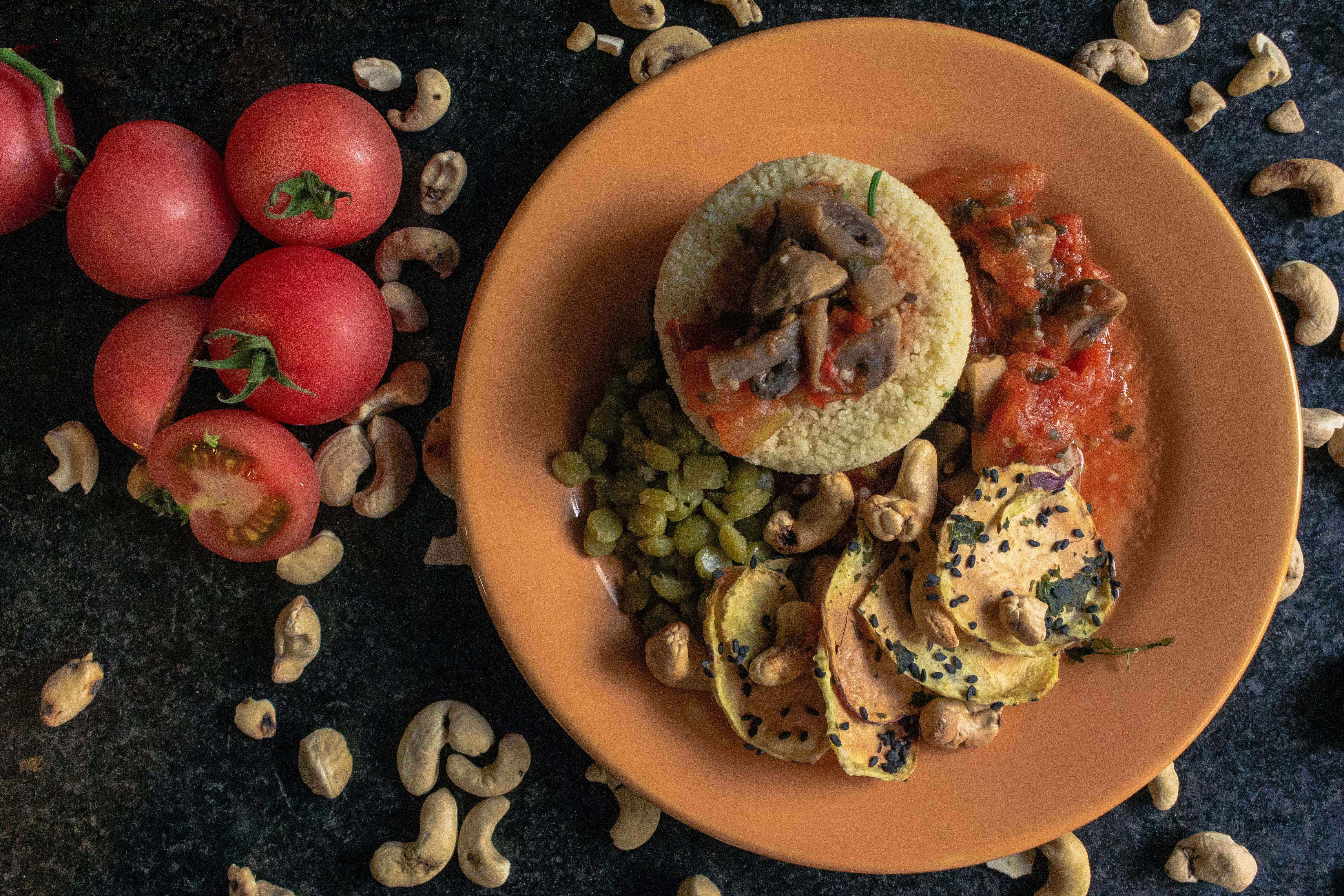
Introduction to Couscous: A Mediterranean Delight
Couscous is a staple food that hails from North Africa, receiving particular recognition within Mediterranean gastronomy. Its origins date back centuries and reflect the rich cultural tapestry of the region. Traditionally, couscous consists of tiny steamed balls made from crushed durum wheat semolina, which can be found in various forms—including whole grain, white, or even flavored variations mixed with spices or vegetables.
The unique texture of couscous, with its slightly chewy consistency, makes it an incredibly versatile ingredient. Often served as a side dish, it is commonly paired with stews, grilled meats, or roasted vegetables. The adaptability of couscous allows it to absorb flavors beautifully, enhancing the dishes it accompanies. In many Mediterranean cultures, couscous is more than just food; it is a symbol of community and family gatherings, served during celebrations and shared among loved ones.
There are several types of couscous available, including Moroccan, Israeli (or pearl couscous), and Lebanese, each varying by size, preparation method, and texture. Moroccan couscous is the most common, characterized by its small granules, while Israeli couscous is larger and often resembles pasta. The latter type is known for its delightful chewiness and versatility in salads and grain bowls. In terms of nutritional value, couscous is a good source of carbohydrates and provides some protein, making it an energy-rich option for meals.
In summary, couscous stands out as a treasured ingredient in Mediterranean cuisine, celebrated for its intricate preparation, diverse varieties, and ability to bring people together during meals. Its enduring significance continues to resonate in kitchens around the world, inviting exploration and appreciation for its rich culinary heritage.
Health Benefits of Incorporating Couscous into Your Diet
Couscous is a highly nutritious grain product that offers a myriad of health benefits, making it an excellent addition to your diet. Primarily composed of semolina wheat, couscous serves as a fantastic source of carbohydrates, providing the body with the necessary energy to function effectively throughout the day. Its carbohydrate content also makes it a staple food in many Mediterranean diets.
In addition to carbohydrates, couscous also contains a respectable amount of protein, contributing to muscle repair and growth, especially for those who lead an active lifestyle. Protein plays a vital role in various bodily functions, including enzyme and hormone production, which further underscores the nutritional value of this grain. For those following a vegetarian lifestyle, couscous can be an ideal meat substitute for obtaining essential nutrients.
Another significant aspect of couscous is its vitamin and mineral content. It is particularly rich in B vitamins such as thiamin, niacin, and folate, which are crucial for energy metabolism and maintaining overall health. Additionally, couscous contains minerals such as magnesium and phosphorus, which are important for bone health and various enzymatic processes in the body.
For individuals adhering to gluten-free diets, it is important to note that traditional couscous is not gluten-free. However, there are alternatives made from gluten-free grains like quinoa or corn that can offer similar nutritional benefits. Thus, couscous can accommodate various dietary preferences when properly chosen.
To maximize the health benefits of couscous, consider pairing it with a variety of vegetables, legumes, or lean proteins. Adding herbs and spices can enhance both its flavor and nutritional profile, making it a versatile choice for any meal. Ultimately, incorporating couscous into your diet can significantly contribute to a balanced and health-conscious approach to eating.
Creative Ways to Serve Couscous: Recipes and Pairings
Couscous is a wonderfully versatile grain that can be utilized in a myriad of dishes, each offering unique flavors and textures. This Mediterranean staple can serve as a perfect base or side for various recipes, making it an excellent choice for both everyday meals and special occasions. Below, we explore different ways to serve couscous, highlighting easy recipes and flavor pairings that elevate this humble ingredient.
One delightful way to enjoy couscous is through salads. A Mediterranean Couscous Salad can be prepared by combining cooked couscous with diced cucumbers, cherry tomatoes, red onions, and Kalamata olives, all dressed in a light lemon-olive oil vinaigrette. The freshness of the vegetables complements the couscous beautifully while adding a vibrant color and crunch to the dish. Additionally, adding in a handful of feta cheese can introduce a tangy richness that pairs well with the flavors.
For those looking to serve couscous as a main dish, consider a Chickpea and Spinach Couscous Bowl. Here, cooked couscous is topped with sautéed chickpeas, spinach, garlic, and spices like cumin and coriander. This dish not only provides a hearty vegetarian option but also incorporates a range of nutritional benefits. Alternatively, couscous can function as a side dish, such as Pilaf-style Couscous, enriched with sautéed onions, dried fruits like raisins or apricots, and toasted nuts. This sweet-and-savory combination creates a delightful counterpart to roasted meats or grilled vegetables.
Lastly, experimenting with different herbs and spices can further enhance couscous dishes. Fresh parsley, cilantro, and mint add brightness, while spices like saffron and cinnamon can impart warmth and depth. By exploring these imaginative recipes and pairings, readers can truly discover the wonders of couscous in their kitchens, turning it into a staple that shines at any meal.
Where to Buy Quality Couscous: Spotlight on Shop Mediterranean
When it comes to purchasing high-quality couscous, readers seeking authentic Mediterranean flavors should consider Shop Mediterranean as a premier destination. This specialized retailer stands out for its diverse range of couscous offerings, ensuring that consumers can find the perfect variety to suit their culinary needs. From traditional Moroccan couscous to the lighter Israeli variant, Shop Mediterranean’s extensive selection caters to every palate.
Quality peas, grains, and methods of production greatly influence the overall taste and texture of couscous. When choosing a brand, it is essential to look for products made from high-quality durum wheat. Shop Mediterranean emphasizes sourcing their couscous from reputable producers who adhere to stringent quality controls. This careful selection process means that customers can enjoy a superior product that delivers authentic flavors and optimal cooking results.
Additionally, the convenience of online shopping at Shop Mediterranean allows consumers from various locations to have access to premium couscous without the hassle of searching in local grocery stores. With user-friendly navigation, customers can easily browse through different couscous options and explore other Mediterranean ingredients that might elevate their culinary creations. Each product page includes detailed descriptions, cooking instructions, and nutritional information, contributing to an informed purchasing decision.
For those looking to elevate their meals with quality couscous, we recommend visiting the Shop Mediterranean website. Here, you can find various varieties and discover new recipes to utilize this versatile ingredient. You can directly access their couscous product page here for easy shopping. Investing in quality couscous not only enriches your meals but also supports authentic culinary traditions.
